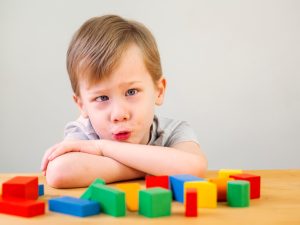
Autism spectrum disorder (ASD) is becoming more common around the world. Many countries now report that about 1 in 100 to 1 in 150 children have autism.
In the United Arab Emirates, studies show that about 1 in 146 children may be affected. Autism is a brain development condition that can make it harder for a child to talk, learn social skills, and connect with others. Some children may also repeat actions or have strong reactions to sounds, lights, or touch.
Doctors and scientists are still studying what causes autism. Research shows that autism usually happens because of a mix of genetic and environmental factors.
Vitamin D deficiency, pollution, heavy metals, and poor early nutrition are some of the main factors that play a role in some cases. But one question that many parents still ask is this: Do vaccines cause autism?
The simple answer is no. There is no scientific proof that childhood vaccines cause autism.
How Did the Debate About “The Link Between Vaccines and Autism” Start?
The idea that vaccines cause autism began with a small study published in The Lancet in 1998. The study claimed that the MMR vaccine (measles, mumps, and rubella) might be linked to autism. Many parents became worried after hearing this news.
But later, experts checked the study carefully. They found that the research was false and badly done. The doctor who wrote it lost his medical license, and the journal removed the study. This means the study should never have been published.
Since then, scientists around the world have done many large and careful studies. They studied millions of children in different countries. All these studies showed the same result: vaccines do not cause autism.
What Do Modern Studies Say?

Today, doctors and WHO research strongly agree that childhood vaccines are safe. They have tested vaccines many times before giving them to children.
The World Health Organization (WHO) and its Global Advisory Committee on Vaccine Safety reviewed more than 30 major studies from 2010 to 2025. These studies looked at vaccines that contain thiomersal, aluminum, and other common ingredients. Experts found no link between vaccines and autism.
They also studied children in large population groups, including a nationwide study in Denmark. Again, the result was clear. Vaccinated children did not have a higher risk of autism than unvaccinated children.
WHO experts say vaccines are one of the greatest medical achievements in history. In the last 50 years, childhood vaccines have saved more than 154 million lives. Vaccines protect children from dangerous diseases like measles, polio, and whooping cough.
Why Vaccines Are Still Important

Some parents delay vaccines because they worry about autism. But this can be risky. Diseases like measles still exist. An unvaccinated child can become very sick and may spread the illness to others, including babies and elderly people.
Vaccines can sometimes cause mild reactions like fever or rash. But serious reactions are very rare. The danger from diseases is much higher than the small risk from vaccines.
Experts suggest that parents talk openly with their child’s pediatrician if they feel worried. A pediatrician near you will explain how vaccines work and why they protect children.
The Bottom Line
Autism is a real and serious condition that affects many families. Scientists continue to study its causes so they can better support children.
But one thing is clear: children’s vaccines do not cause autism.
The fear started from a false study many years ago. Modern research, global health experts, and organizations like the WHO, all agree that vaccines are safe and important.
Vaccinating children protects them, their families, and the whole community. It helps children grow up healthy and safe from serious diseases
If you ever feel unsure, talk to a reliable pediatrician near you to get correct information.