
If your child seems to catch one illness after another, you are not imagining it, and you are not alone. For many parents, the cycle of runny noses, coughs, fevers, and stomach bugs feels relentless, especially in the first few years of life. It is one of the most common concerns raised in pediatric clinics.
The short answer is this: frequent illness in young children is usually a normal part of growing up, not a sign that something is seriously wrong. But there are patterns that deserve a closer look, and knowing the difference matters.
Key Takeaways
- Young children can have frequent colds and respiratory infections and still have a healthy immune system. Most children have around 8 to 10 colds during their first two years, and children in childcare may have even more.
- A major reason children fall sick frequently is exposure to viruses in daycare or school, combined with a developing immune system that is encountering many infections for the first time.
- Most childhood infections are caused by viruses, resolve on their own, and do not require antibiotics.
- There are specific patterns, not just frequency alone, that warrant further investigation.
- Practical steps such as handwashing, adequate sleep, a balanced diet, and keeping vaccinations up to date can reduce the risk of frequent illness.
- If you are unsure whether your child’s pattern of illness is within normal range, your paediatrician is the right person to speak with.
Is It Normal for Children to Get Sick Every Month?

For many young children, the answer is yes.
Toddlers and preschool-age children can experience between 8 and 12 colds, respiratory infections, or stomach bugs per year, according to pediatricians at the Children’s Hospital of Orange County (CHOC). School-age children average five to six illnesses annually. That works out to roughly one illness per month for many children during the toddler and preschool years.
Children who attend daycare or nursery school are exposed to a wider variety of pathogens earlier than children who stay at home, so the number may be even higher for them during the first few years.
This is not a sign of a weak or faulty immune system. It is a sign that the immune system is doing exactly what it is supposed to do: encountering new viruses, fighting them off, and building lasting defenses. Every infection a child’s body successfully overcomes is, in a sense, a piece of training.
The immune system of a young child has not yet had the opportunity to meet the more than 200 respiratory viruses that can cause colds. Each new exposure gives the immune system an opportunity to develop a response to that virus. As children get older and their immune systems mature, frequent infections generally become less common.
Common Reasons Your Child May Keep Getting Sick
Understanding why a child gets sick often starts with looking at the context around the illness, not just the illness itself.
Daycare and school exposure is a major factor in frequent childhood illness. Close contact, shared toys, imperfect hand hygiene, and spending long hours in an enclosed space with other children create significant viral exposure. This does not mean parents should avoid group care settings. It means that a surge in illness when a child starts nursery is expected and is not a red flag.
Developing immune systems explains the rest. Young children’s immune systems are still maturing. Their upper airway passages are also narrower and less developed than older children, which means that even mild infections can produce more pronounced symptoms. A child who is sick is not necessarily sicker than an adult with the same virus. They may simply appear more affected because of their anatomy.
Respiratory viruses can circulate more heavily at certain times of year, but the timing varies by virus and location. A concentrated run of respiratory illnesses can therefore be common in some seasons and settings.
Sleep plays a meaningful role in immune function. During sleep, immune activity is regulated through processes involving cytokines and other immune signaling pathways. Consistently inadequate sleep may affect immune function and susceptibility to infection. Shorter sleep has been associated with a higher risk of upper respiratory tract infections. This is particularly relevant in the toddler years, when sleep requirements are high and disrupted sleep is common.
Nutrition matters, though it is important not to overstate the role of any single food or supplement. There is no superfood that reliably prevents illness. What the research does support is that nutritional deficiencies, including deficiencies in vitamins and minerals such as vitamin D, iron, and zinc, can impair immune function. A varied, balanced diet that includes plenty of vegetables, fruit, whole grains, and protein provides the foundation the immune system needs to work properly.
Environmental factors, including tobacco smoke exposure, air pollution, and mould can irritate the airways and contribute to respiratory symptoms and illness. These factors are often overlooked but are worth considering, particularly if a child’s respiratory symptoms are persistent or unusually severe.
Incomplete vaccination removes an important layer of protection. Vaccines do not prevent every illness, but they do protect against some of the most serious ones, including influenza, whooping cough, pneumococcal pneumonia, and others. A child who is not fully vaccinated according to their country’s recommended schedule is more vulnerable than one who is.
When Frequent Illness May Need Medical Evaluation
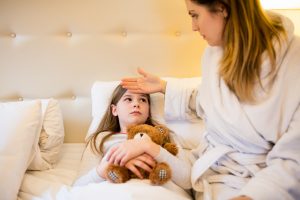
Frequent illness is normal. Certain patterns within that frequency are not.
The Jeffrey Modell Foundation, an internationally recognized organization focused on immune disorders, has developed a widely used set of warning signs that may indicate an underlying problem with the immune system, known as a primary immunodeficiency. These are not common conditions, but they can be missed precisely because frequent illness in childhood is so expected.
Consider speaking to your pediatrician if your child has any of the following:
- Four or more new ear infections within a single year
- Two or more serious sinus infections within a year
- Two or more months on antibiotics with little or no improvement
- Two or more pneumonias within a single year
- Failure to gain weight or grow at a normal rate
- Recurrent deep skin abscesses or abscesses in internal organs
- Persistent thrush in the mouth or fungal infection on the skin beyond the age of one
- The need for intravenous antibiotics to clear infections that do not respond to oral treatment
- Two or more deep-seated infections such as meningitis, bone infections, or septicaemia
- A family history of primary immunodeficiency
The presence of one or more of these warning signs should prompt a discussion with your doctor about whether further evaluation for an underlying immune disorder is appropriate.
It is important to note that these are specific clinical patterns, not simply “gets sick a lot.” A child who has frequent colds but recovers fully between illnesses, grows normally, and does not have severe or unusual infections may be less suggestive of an underlying immune disorder, although the overall clinical pattern should be assessed by a doctor.
Signs Your Child Should See a Pediatrician
Outside of the warning signs above, there are other circumstances in which a pediatric review is a reasonable next step.
See a pediatrician if your child:
- Has a fever lasting more than 24 hours in a child under two years, more than three days in a child two years or older, or a temperature of 38°C (100.4°F) or higher in a child under three months
- Is not recovering fully between illnesses, with no well period in between
- Has recurring ear infections that are affecting hearing or behavior
- Shows signs of difficulty breathing, wheezing, or a persistent cough that is not improving
- Seems consistently unwell, tired, or not gaining weight the way you would expect
- Has been prescribed multiple courses of antibiotics over a short period
In a clinic setting, a pediatrician can look at the full picture, including the type of infections, how the child recovers, their growth trajectory, vaccination history, and any relevant family history. A single appointment can often provide significant reassurance or identify a pattern that warrants investigation.
How Parents Can Help Reduce the Risk of Frequent Infections
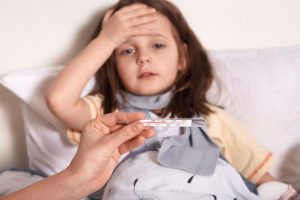
There is no strategy that will prevent every illness. But several evidence-based steps can reduce their frequency and severity.
Handwashing is consistently identified as one of the most effective tools in reducing respiratory and gastrointestinal infections in children. Teaching children to wash their hands thoroughly with soap and water before meals, after using the toilet, and after coughing or sneezing can help reduce the spread of respiratory and gastrointestinal infections. It is a simple habit with meaningful evidence behind it.
Keeping vaccinations up to date removes specific risks that would otherwise be preventable. Speak to your pediatrician about the recommended schedule for your child’s age and country of residence.
Supporting good sleep means prioritizing consistent sleep routines and making sure children are getting the total hours appropriate for their age. Toddlers typically need 11 to 14 hours in 24 hours, while preschoolers need 10 to 13 hours. Adequate sleep supports normal health and immune function.
Serving a varied diet rich in vegetables, fruit, and protein provides the micronutrients that support immune cell development and function. If you are concerned your child may have a nutritional deficiency, a paediatrician can advise on appropriate testing rather than supplementing without guidance.
Reducing environmental exposures means ensuring that children are not exposed to tobacco smoke, and that the home environment is well-ventilated and free of mold or persistent dust sources.
Avoiding unnecessary antibiotics helps preserve their effectiveness for when they are truly needed. Antibiotics do not work against viruses, and unnecessary use can contribute to antibiotic resistance. Antibiotic exposure in children can also alter the gut microbiome. If a doctor has not prescribed them, do not seek them out.
Watching a child move through one illness after another is exhausting and worrying. Most of the time, it is the immune system doing exactly what it should. But when doubt creeps in, a paediatric assessment can make a significant difference, either by providing reassurance or by identifying something early enough to act on.
If you have concerns about your child’s frequency of illness or overall health, Dr. Sabitha Nair provides paediatric consultations and care in Dubai.
Frequently Asked Questions
Why does my child get a cold almost every month?
For many young children, having frequent colds can be within the normal range, particularly during the toddler and preschool years.. Toddlers and preschoolers typically experience 8 to 12 respiratory illnesses per year. Children in daycare or nursery settings tend to be at the higher end of this range because of increased viral exposure. The immune system builds its defences through repeated encounters with different viruses. Over time, as the immune system’s memory grows, frequency tends to drop.
Does frequent sickness mean my child has low immunity?
Not necessarily, and it is worth being cautious about the term “low immunity.” Most children who get sick often are developing normally. The pattern of illness matters far more than the number alone. A child who recovers fully between each illness, maintains normal growth, and does not have severe or unusual infections may be less suggestive of an underlying immune disorder, although the overall pattern should be assessed by a doctor. Primary immunodeficiencies are relatively rare conditions with specific clinical features that go beyond simply catching colds frequently.
How many infections per year are considered too many?
There is no single threshold, because the answer depends on the type of infection, the child’s age, and whether they recover fully in between. As a general guide, paediatricians become concerned when a child has four or more ear infections in a year, two or more serious sinus infections, two or more pneumonias, or infections that do not clear with standard antibiotic treatment. These are the patterns that prompt investigation, not the total number of colds.
Can diet affect how often my child gets sick?
It can, though the relationship is more about overall nutritional adequacy than any specific food. Deficiencies in certain nutrients, particularly vitamin D, zinc, and iron, can impair immune function and increase susceptibility to infection. A balanced, varied diet is the best foundation. Supplements are not routinely necessary for children who eat a reasonable variety of foods and have no identified deficiency. If you are considering supplementation, discuss it with your child’s pediatrician first.
Should I keep my child home from nursery to reduce infections?
This is a decision that depends on many factors, including the child’s health, the family’s circumstances, and the severity of illness. Occasional illnesses from nursery exposure are expected and do not necessarily mean a child needs to leave group care. If a child is consistently very unwell, is not recovering between illnesses, or has features that concern a paediatrician, that is a different situation that warrants individual discussion. Children in group childcare commonly experience more infections, particularly during the first year of attendance, and respiratory illnesses often decrease during the second year.
When should recurring infections be investigated further?
If one or more of the Jeffrey Modell Foundation’s warning signs are present, discuss with your child’s doctor whether further evaluation is appropriate. These include repeated ear infections (four or more in a year), repeated pneumonias, infections that do not clear with antibiotics, the need for IV treatment, failure to grow normally, or a family history of immune disorders. Beyond this, trust your instincts as a parent. If something feels different about how your child is recovering, or if a pattern does not seem right to you, a paediatric review is never the wrong call.
